Introduction
In the world of orthodontics, the evolution of treatment options has opened doors for individuals seeking to achieve a flawless smile. One such innovation is Invisalign, a groundbreaking method that utilizes clear braces to straighten teeth discreetly and comfortably. But what exactly does the journey entail? Invisalign In this extensive article, we will delve into the intricacies of Invisalign progression, providing you with comprehensive insights on how to track your path towards that coveted new smile. From understanding how the treatment works to monitoring your progress effectively, we've got you covered.
Invisalign Progression: Tracking Your Journey Toward a New Smile
The journey of Invisalign treatment isn't merely about wearing aligners; it's about understanding how these invisible braces work over time. Each aligner is custom-made for your unique dental structure, gradually shifting your teeth into their desired positions. So how do you track this progression? Let's explore.
Understanding Invisalign Treatment
What are Clear Braces?
Clear braces, often referred to as invisible braces, are dental devices designed to straighten teeth without the metal wires and brackets associated with traditional orthodontics. They offer a more aesthetic solution while being effective in correcting various dental issues.
The Science Behind Invisalign
Invisalign utilizes advanced 3D imaging technology to create a series of aligners tailored specifically to your mouth. These aligners exert gentle pressure on your teeth, promoting movement over time.
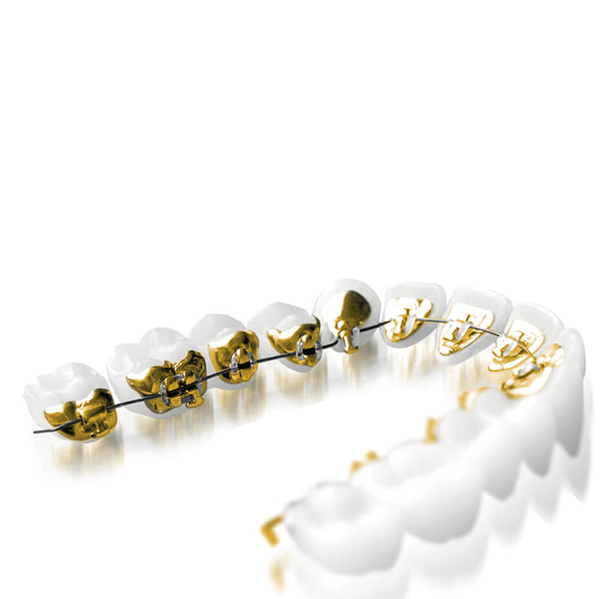
How Does Invisalign Work?
Each set of aligners is worn for about two weeks before transitioning to the next set in the series. This gradual approach ensures comfort while steadily moving teeth into optimal alignment.
Beginning Your Invisalign Journey
Consultation with an Orthodontist
The first step in your journey involves consulting with an orthodontist who specializes in Invisalign. They will evaluate your dental condition and develop a personalized treatment plan based on your needs.
Taking Impressions and Scans
Your orthodontist will take digital scans or impressions of your teeth, which are then used to create your custom aligners.
Tracking Your Progress: Essential Tips
Maintaining Consistency
One key factor in tracking Invisalign progression is consistency. Ensure you wear your aligners for at least 20-22 hours per day as recommended by your orthodontist.
Regular Check-ups
Schedule regular appointments with your orthodontist every 6-8 weeks. During these visits, they will assess whether you're progressing as expected and make necessary adjustments.
Monitoring Your Alignment Changes
Using Progress Photos
Taking progress photos can be one of the most motivating ways to see changes over time. Snap pictures from multiple angles every few weeks to visually document your journey.
Utilizing Mobile Apps
Several apps are available that allow you to track your Invisalign treatment digitally. These apps can remind you when to switch aligners and provide visual feedback on expected outcomes.
Addressing Common Concerns During Treatment
Discomfort and Pain Management
It's common to experience mild discomfort when switching aligners. Over-the-counter pain relievers can help alleviate any soreness during this period.

Dealing with Staining or Discoloration
To maintain the clarity of your aligners, avoid consuming staining foods or beverages while wearing them. Always remove them before eating or drinking anything but water.
Overcoming Challenges Along The Way
Staying Motivated Throughout Treatment
Long-term treatments can sometimes feel tedious or discouraging. Setting small milestones along the way can keep you motivated as you visualize nearing that perfect smile.
Understanding Treatment Duration
On average, Invisalign treatments last between 12 to 18 months depending on individual cases, but some may require shorter or longer timelines based on oral health conditions.
Post-Treatment Care: Teeth Retainers
Importance of Retainers After Invisalign
Once you've completed Invisalign, it’s crucial to wear retainers as directed by your orthodontist. Retainers help maintain tooth positions and prevent regression after treatment.
Frequently Asked Questions (FAQs)
How long does an Invisalign treatment typically last?
On average, treatments last between 12-18 months but can vary based on individual needs.
Are clear braces more expensive than traditional braces?
Generally speaking, clear braces can be slightly more expensive due to their custom nature but often provide a comparable price range depending on individual cases.
Can I remove my aligners when eating?
Yes! You should always remove your invisible braces when eating or drinking anything other than water.
Is there any food I should avoid during treatment?
It’s best to avoid sticky or hard foods that could damage the aligners while they're out of your mouth.
What if I lose an aligner?
If you lose an aligner, contact your orthodontist immediately for guidance on next steps—usually involving wearing a previous set until a replacement is made.
Can I still play sports while wearing Invisalign?
Absolutely! Just be sure to wear a mouthguard over the aligners during contact sports for added protection.
Conclusion
Embarking on the journey towards achieving a beautiful smile with Invisalign is both exciting and transformative. By understanding each phase of the process—from initial consultation through tracking progress and post-treatment care—you empower yourself along this path toward success. So embrace every moment; each step brings you closer to that dazzling new smile you've been dreaming about!
Thank you for joining us in exploring Invisalign progression. Now go ahead and take that leap towards confidence—your new smile awaits!